What Does Ghana’s Push for an 18-20% Tax-to-GDP Ratio Mean for Diaspora Property Investors?
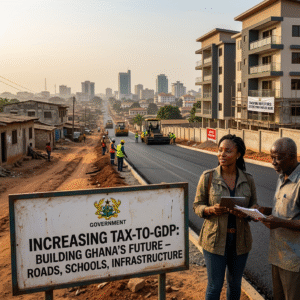
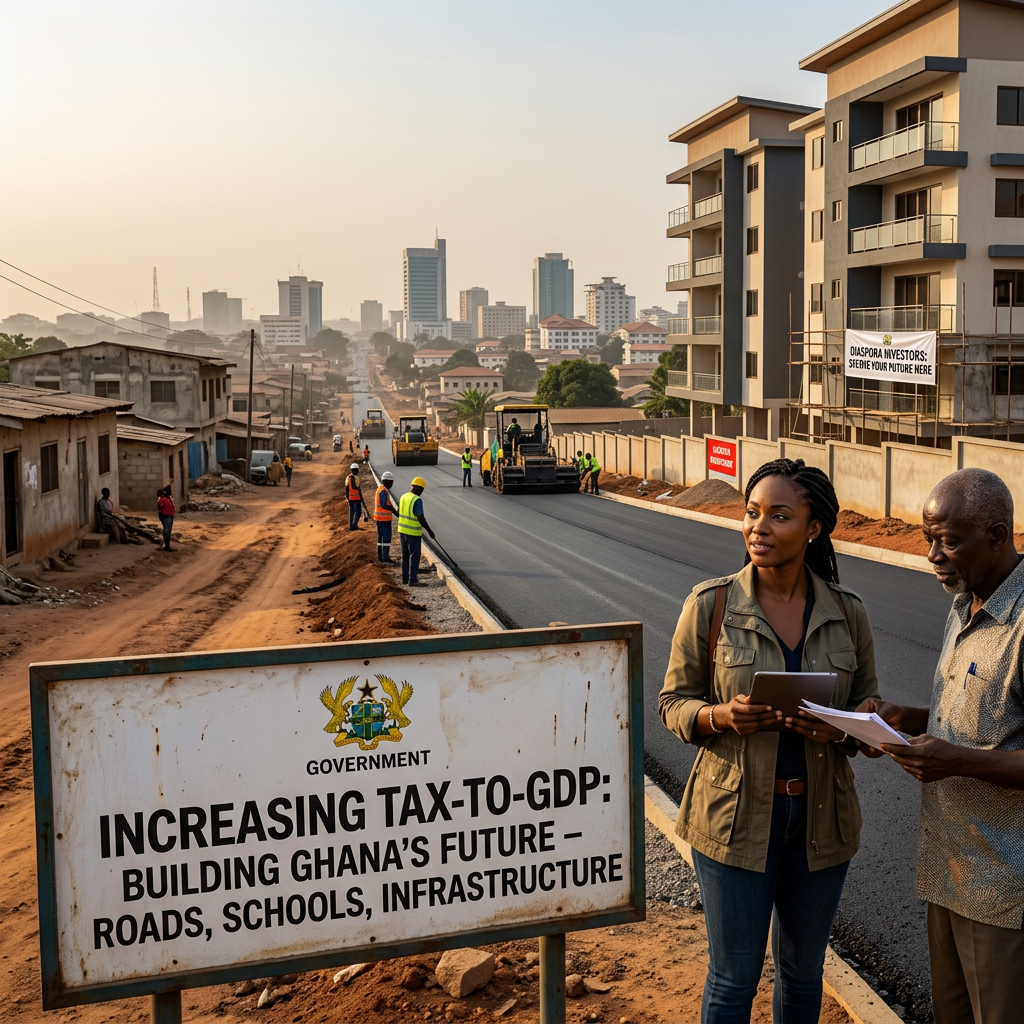
Ghana’s government has announced a new target: raising its non-oil tax-to-GDP ratio to between 18 and 20 percent by 2027. This move, reported by Business & Financial Times (B&FT), is part of a broader strategy to expand the tax base, improve compliance, and strengthen domestic revenue mobilisation through ongoing tax reforms and digitalisation. The announcement follows Ghana’s recent macroeconomic recovery efforts, including the early settlement of a US$700 million Eurobond obligation and a successful domestic debt exchange.
Takeaway: Ghana’s commitment to fiscal stability and domestic revenue growth signals a more predictable and investment-friendly environment for property investors. For members of the African diaspora, this may mean greater confidence in long-term real estate opportunities, especially as public infrastructure spending is likely to be underpinned by stronger government revenues.
How Does Ghana’s Tax Reform Signal Economic Stability?
Ghana’s drive to increase its tax-to-GDP ratio is a clear signal of its commitment to fiscal stability and economic resilience. By focusing on non-oil tax revenue and digitalising tax collection, the government aims to broaden its revenue base and reduce reliance on external borrowing, according to Business & Financial Times (B&FT). This approach follows a period of macroeconomic recovery after the 2022 debt crisis, marked by the early repayment of a major Eurobond and a successful domestic debt exchange.
For investors, these steps indicate a government that is actively working to create a more stable and predictable economic environment. A stronger domestic revenue base can lower sovereign risk and support the kind of long-term planning that underpins sustainable growth. This is particularly relevant for sectors like real estate, where confidence in the broader economy is essential for both residential and commercial investment.
What Does This Mean for Property Demand and Land Values in Ghana?
Ghana’s improved fiscal outlook could have a direct impact on property demand and land values, especially in key urban centres such as Accra, Kumasi, and emerging secondary cities. As government revenues grow, public infrastructure spending is likely to increase, supporting projects like roads, utilities, and urban expansion. These developments are known drivers of property values and rental yields, making the real estate market more attractive to both local and diaspora investors.
For members of the diaspora considering investment, a more predictable operating environment reduces the risks associated with property acquisition and development. Infrastructure improvements can enhance the value of both residential and commercial properties, while a stable fiscal environment may encourage more transparent and efficient land registration processes. It is important to note that land registration in Ghana typically takes 6 to 12 months, and title verification remains essential due to the prevalence of land-related disputes in the courts.
Is Now a Good Time for Diaspora Investors to Consider Ghanaian Real Estate?
Ghana’s renewed fiscal discipline and focus on domestic revenue mobilisation may create a more favourable climate for diaspora property investment. With government revenues supporting infrastructure and reducing sovereign risk, the conditions for long-term investment in residential, commercial, and land development projects are likely to improve. However, investors should remain vigilant about the unique risks of the Ghanaian property market, including the need for thorough title verification and understanding leasehold rules for non-citizens, who can acquire property through renewable leaseholds of up to 50 years.
For those seeking to build wealth, reconnect with heritage, or contribute to Africa’s growth, these developments offer a promising backdrop. Yet, the importance of working with vetted professionals and trusted networks cannot be overstated. Diaspora Property Network (DPN Global) provides end-to-end support, from property vetting and legal guidance to on-ground assistance, ensuring that every transaction is secure and transparent.
FAQ: Ghana’s Tax Reforms and Diaspora Property Investment
-
How do Ghana’s tax reforms affect property investment opportunities?
Ghana’s tax reforms aim to increase government revenue and fiscal stability, which may lead to more public infrastructure projects. This can enhance property values and rental yields, making real estate investment more attractive for diaspora investors. -
What should diaspora investors know about land acquisition in Ghana?
Non-citizens can acquire property through renewable leaseholds of up to 50 years. Land registration typically takes 6 to 12 months, and title verification is essential due to the frequency of land disputes in Ghana’s courts. -
Why is working with a vetted network important for diaspora investors?
Many investors have faced challenges with unverified sellers or unclear land titles. Working with a trusted network like DPN Global ensures properties are vetted, legal support is provided, and transactions are protected from start to finish.
At DPN Global, where trusted connections meet global opportunities, we guide diaspora investors through every step of the property journey in Ghana. Explore verified opportunities at dpn-global.com, or reach out to us directly at info@dpn-global.com for personalised support.