
Ghana-Russia Trade Surge: What It Means for Diaspora Property Investors
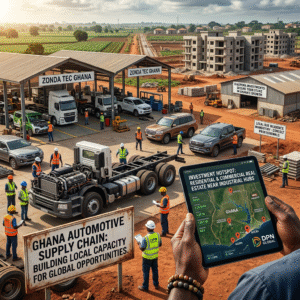
Bilateral trade between Ghana and Russia has soared from $247 million in 2022 to over $800 million in 2024, according to Russian Ambassador Andrei Ordash. In an exclusive interview reported by MyJoyOnline, Ambassador Ordash highlighted Ghana’s macroeconomic stability and its role as host of the African Continental Free Trade Area (AfCFTA) Secretariat as key reasons for Russia’s growing economic interest. Russia is now seeking to deepen its partnership with Ghana through investment, technology transfer, and private-sector collaboration, with plans to establish manufacturing plants, assembly facilities, and logistics centres to serve the wider African market.
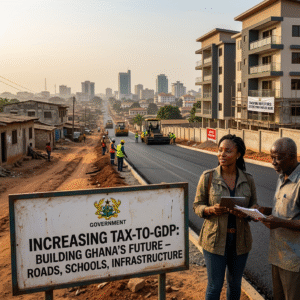
Takeaway: Ghana’s rising trade with Russia signals growing foreign investment confidence and points to likely expansion in infrastructure and industry. For diaspora investors, this may translate into increased demand for commercial and residential property, especially in urban centres positioned as gateways to Africa.
Why is Ghana’s trade growth with Russia significant for the economy?
Ghana’s rapid increase in trade with Russia signals international confidence in the country’s economic stability and strategic importance within Africa. The surge from $247 million to over $800 million in just two years, as confirmed by the Russian Ambassador, reflects Ghana’s appeal as a reliable partner and a gateway to the continent under the AfCFTA framework.
This development is not just about numbers. Russia’s interest in establishing manufacturing plants, assembly facilities, and logistics centres in Ghana points to a broader commitment to long-term economic engagement. Sectors targeted for expanded cooperation include energy (with a nuclear power plant MOU signed with Rosatom), agriculture, mining (notably gold and bauxite), and manufacturing, all aligned with Ghana’s 24-Hour Economy initiative. These moves reinforce Ghana’s position as a hub for regional trade and industrial activity, which is likely to attract further foreign direct investment and spur job creation.
How could this affect property demand and land values in Ghana?
Increased foreign investment and industrial expansion typically drive demand for both commercial and residential real estate, especially in urban centres. As Russia and Ghana deepen their economic partnership, the establishment of new manufacturing and logistics facilities may lead to higher demand for office space, warehouses, and mixed-use developments in key cities.
For the diaspora, this means that areas near planned industrial zones or logistics corridors could see rising land values and rental demand. The influx of skilled workers, managers, and support staff for these projects often creates a need for quality housing and short-term rentals. Additionally, infrastructure improvements linked to these investments can make surrounding neighbourhoods more attractive for both residential and commercial purposes. However, it is important to note that land-related disputes remain common in Ghana, making title verification and due diligence essential for any property acquisition.
What should diaspora investors consider before investing in Ghana’s property market?
Diaspora investors should approach the evolving landscape with both optimism and caution. The surge in Ghana-Russia trade and the prospect of new industrial projects may create opportunities for wealth-building through property, but they also introduce complexities that require careful navigation.
Non-citizens can acquire property in Ghana through renewable leaseholds of up to 50 years, as freehold is generally reserved for citizens. Land registration typically takes 6 to 12 months, and title verification before payment is non-negotiable due to the prevalence of land disputes. Investors should focus on areas likely to benefit from infrastructure and industrial expansion, but only after confirming the authenticity and investment potential of each property. Working with vetted professionals, including licensed agents and legal experts, is critical to avoid the risks of fraud or misrepresentation that have affected many in the diaspora community.
DPN Global stands as a guide and protector for diaspora investors, offering end-to-end support from property vetting to legal due diligence and on-ground assistance. Our commitment is to ensure that every transaction is secure, transparent, and aligned with your goals of building wealth, reconnecting with heritage, and contributing to Africa’s growth.
FAQ: Ghana-Russia Trade and Diaspora Property Investment
-
How does increased Ghana-Russia trade impact real estate opportunities?
The growth in trade and planned industrial projects may increase demand for commercial and residential properties, especially in urban centres and areas near new manufacturing or logistics hubs. This could lead to higher rental yields and land values over time. -
What risks should diaspora investors be aware of when buying property in Ghana?
Land disputes are common, and non-citizens are limited to renewable leaseholds of up to 50 years. Title verification and working with vetted professionals are essential to avoid fraud and ensure a secure investment. -
Which service lines are most relevant to this economic development?
Commercial real estate, land acquisition and development, and short-term rental investments are particularly relevant, as industrial and infrastructure expansion often drive demand in these segments.
At DPN Global, where trusted connections meet global opportunities, we guide diaspora investors through every step of the property journey in Ghana. Explore verified opportunities at dpn-global.com, or reach out to us directly at info@dpn-global.com for personalized support.