
Ghana’s 6% Economic Growth: What “Jobless Growth” Means for Diaspora Property Investors
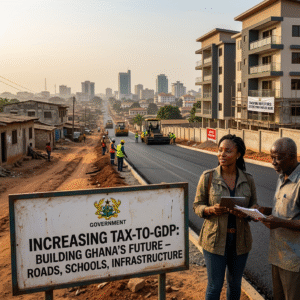
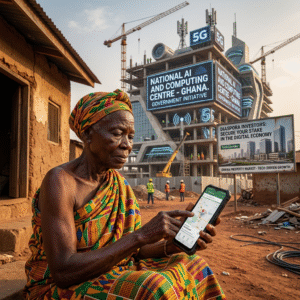
Ghana’s economy has averaged 6% growth between 2022 and 2025, but this expansion has not translated into meaningful job creation, according to the National Development Planning Commission (NDPC). As reported by MyJoyOnline.com, the NDPC’s 2022–2025 Annual Progress Report highlights that the industrial sector, typically a major source of employment, contracted in 2021 and 2023 and only saw a modest recovery in 2024, driven mainly by gold and mining activity. Chief Analyst Isaac Kwesi Eweh cautioned that unless Ghana achieves broader industrial expansion, youth unemployment will remain a persistent challenge despite strong headline GDP numbers.
What is the key takeaway for diaspora investors?
Ghana’s recent economic growth has not led to widespread job creation, signaling a disconnect between macroeconomic performance and everyday opportunity. For diaspora investors, this means property investment decisions should be guided by careful analysis of local demand drivers, not just national growth figures.
This “jobless growth” trend may influence both the types of property in demand and the motivations of Ghanaians abroad considering return migration or investment. Understanding these dynamics is essential for making secure, informed choices in Ghana’s real estate market.
How does “jobless growth” affect Ghana’s economy and property market?
Jobless growth means that while Ghana’s GDP is rising, the benefits are not reaching most households through employment. According to the NDPC, the industrial sector’s contraction in 2021 and 2023 limited job creation, with only a narrow recovery in 2024 tied to gold and mining. This signals that economic gains are concentrated in a few sectors, rather than spread across manufacturing, construction, or services that typically drive broad-based employment.
For the property market, this dynamic can shape both demand and risk. Areas dependent on industrial jobs may see slower growth in residential and commercial property demand. Conversely, regions benefiting from mining or other resource-driven activity could experience localized increases in land values or rental demand, but these may not be sustainable if not matched by broader economic diversification.
What does this mean for diaspora investors considering property in Ghana?
Diaspora investors should recognize that headline economic growth does not guarantee strong or stable demand for all types of property. The NDPC’s findings suggest that while some sectors are expanding, many Ghanaians—especially youth—face limited formal employment prospects. This reality may influence the types of properties that are most attractive for investment, such as rental units catering to professionals in growth sectors, or land in areas with targeted industrial or mining activity.
For those considering return migration, the lack of widespread job creation may reinforce the appeal of property investment as a hedge against uncertain employment. However, it also underscores the importance of due diligence: understanding local market conditions, verifying land titles, and ensuring that any acquisition is supported by robust legal and on-ground guidance.
Is now a good time to buy land or invest in rentals in Ghana?
The current environment calls for careful, evidence-based decision-making. While certain corridors—such as those near mining operations or infrastructure projects—may see increased demand, the overall market is shaped by uneven economic opportunity. Land acquisition remains a viable strategy, especially when supported by thorough title verification and Lands Commission registration, as land-related disputes are common in Ghana’s courts.
For rental investments, targeting areas with stable or growing employment—such as mining towns or urban centers with diversified economies—may offer more reliable returns. Non-citizens should remember that property acquisition in Ghana is typically through renewable leaseholds of up to 50 years, with freehold reserved for citizens. Registration can take 6 to 12 months, and working with vetted professionals is essential to avoid common pitfalls.
What should diaspora investors consider before making a move?
Given the NDPC’s warning about jobless growth, diaspora investors should:
- Focus on areas with proven demand drivers, not just national growth statistics.
- Prioritize properties with clear, verified titles and legal support.
- Understand the leasehold system and registration timelines for non-citizens.
- Seek guidance from trusted, on-ground professionals who can navigate local risks.
DPN Global exists to provide this level of protection and clarity, ensuring that every property is vetted for authenticity and investment potential, and that clients are supported by licensed agents, legal professionals, and on-ground teams throughout the process.
Frequently Asked Questions
-
How does Ghana’s jobless growth affect property investment risk?
Jobless growth means that economic expansion is not creating widespread employment, which can limit demand for certain types of property. Investors should focus on areas with strong, sustainable demand drivers and always verify property titles to reduce risk. -
What is the process for diaspora investors to acquire property in Ghana?
Non-citizens typically acquire property through renewable leaseholds of up to 50 years. The process includes title verification, Lands Commission registration (which takes 6 to 12 months), and working with licensed professionals to ensure authenticity and legal compliance. -
Are there opportunities for rental investments despite slow job creation?
Yes, but opportunities are concentrated in areas with sector-specific growth, such as mining towns or urban centers with diversified economies. Rental demand may be stronger in these locations, but due diligence is essential to ensure long-term viability.
At DPN Global, where trusted connections meet global opportunities, we guide diaspora investors through every step of the property journey in Ghana. Explore verified opportunities at dpn-global.com, or reach out to us directly at info@dpn-global.com for personalized support.