Habitat Fair 2026 Opens in Accra: What Does It Mean for Diaspora Property Investors?
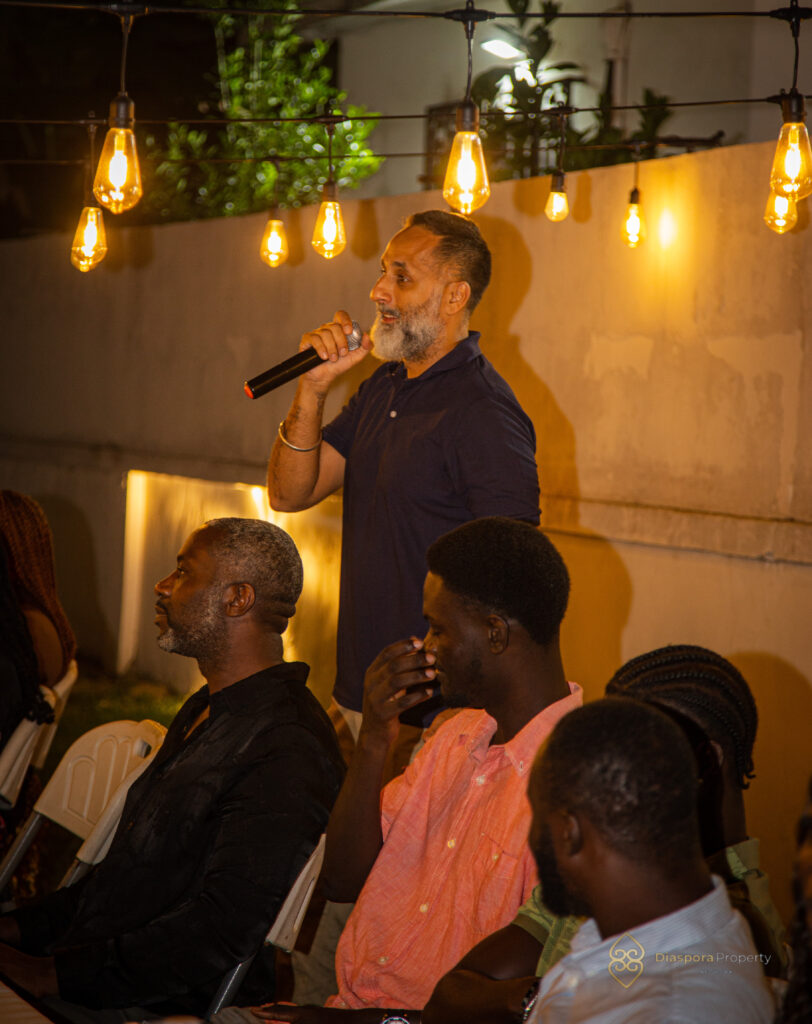
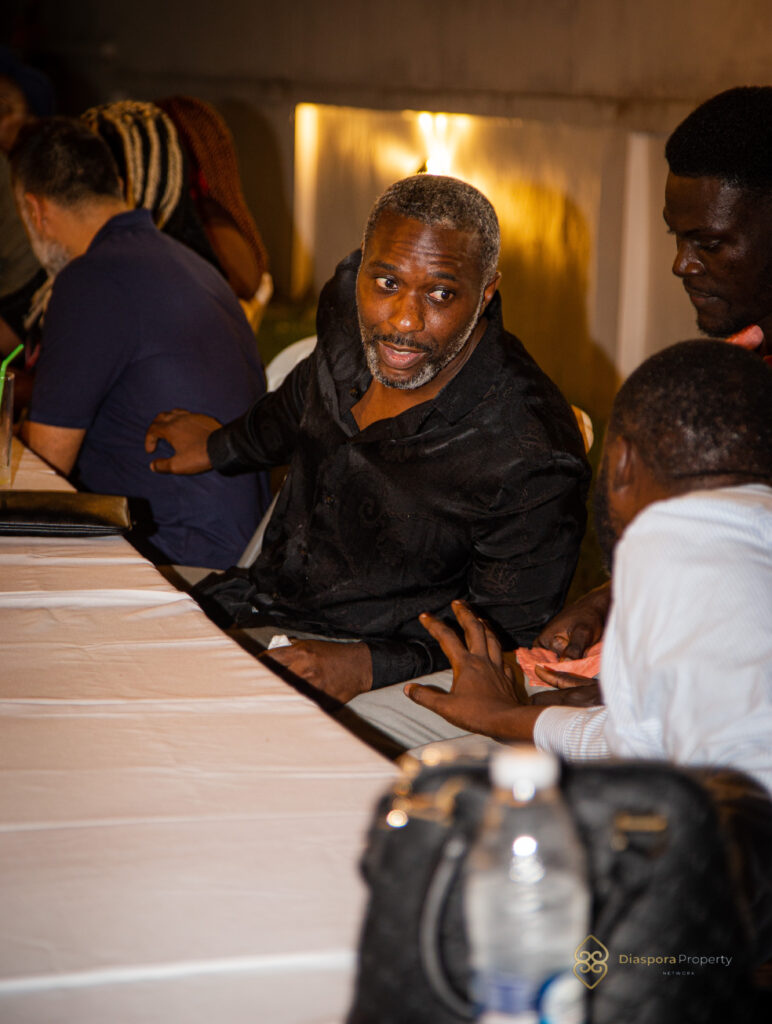
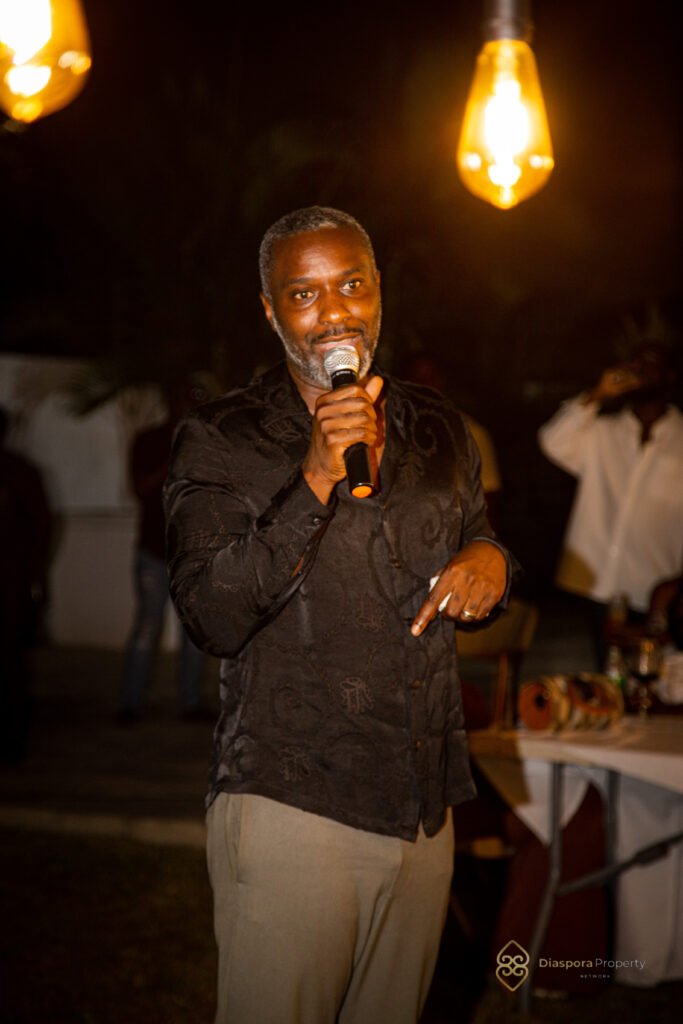
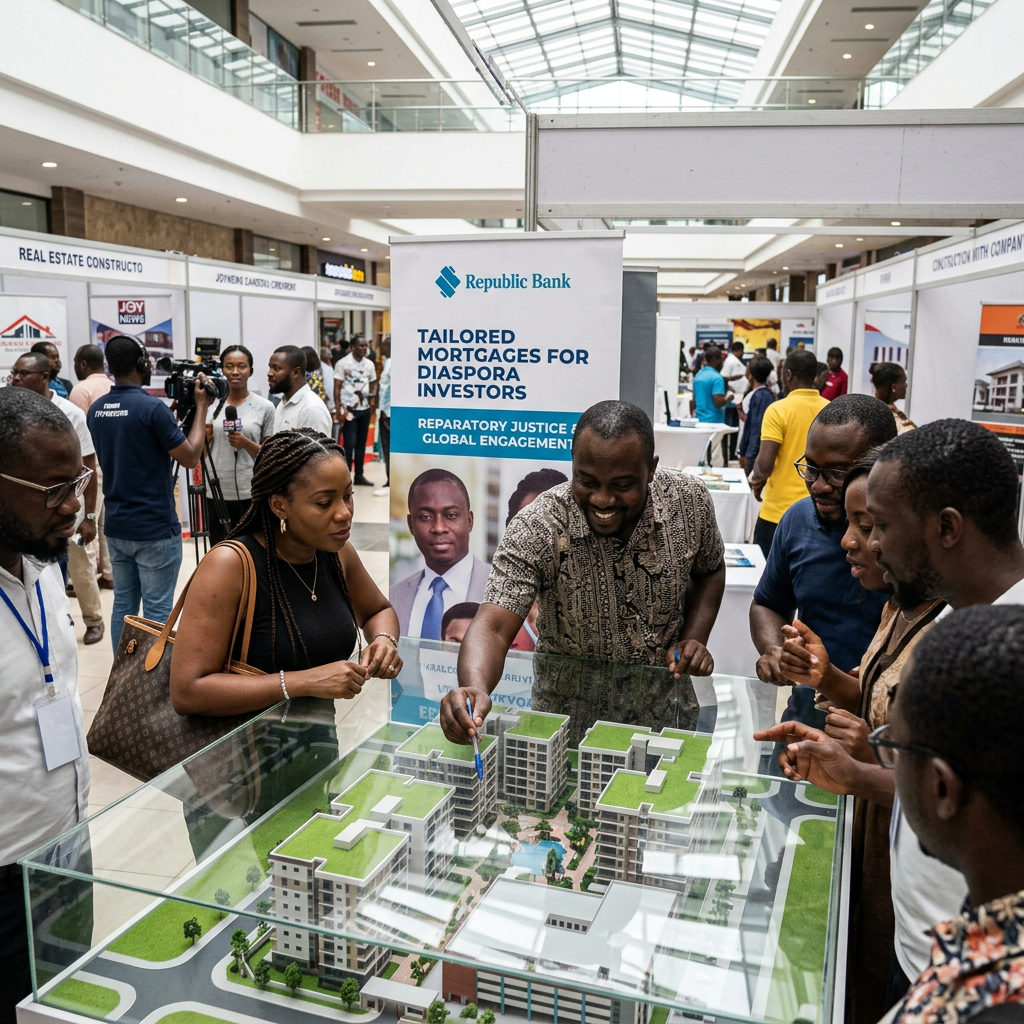
The JoyNews-Republic Bank Habitat Fair 2026 has officially opened its doors at Achimota Mall in Accra, bringing together diaspora investors, local homebuyers, real estate developers, building professionals, and financing institutions. The event is designed to showcase property acquisition opportunities, home improvement services, and mortgage options tailored for both domestic and cross-border buyers. Alongside the fair, discussions have emerged around the rising costs and logistical hurdles of vehicle importation into Ghana—a practical concern for returning nationals and diaspora members shipping assets home. The fair also coincides with ongoing international reparatory justice advocacy, which is shaping Ghana’s engagement with the global African diaspora, according to Trustur News.
Key takeaway: The Habitat Fair 2026 signals active real estate market engagement in Accra, with new pathways for diaspora investors to access vetted properties, financing, and professional support. Rising import costs and reparatory justice themes highlight both practical and emotional factors shaping diaspora investment decisions.
How does Habitat Fair 2026 reflect current trends in Ghana’s real estate market?
The Habitat Fair 2026 demonstrates that Ghana’s real estate sector is actively courting both local and diaspora buyers, with a focus on transparency, professional support, and tailored financing. The presence of developers, building professionals, and banks at Achimota Mall shows that the market is not only vibrant but also structured to address the needs of buyers who may be investing from abroad or returning home after years overseas.
Events like this fair are important signals for the market. They indicate that property acquisition in Accra is not just a local affair but a cross-border opportunity, with institutions like Republic Bank and JoyNews facilitating connections between buyers and trusted professionals. For diaspora investors, this means there are now more formal, secure channels to explore property options, access mortgage products, and engage with vetted developers—reducing the risks historically associated with informal or unverified transactions.
What does this mean for property demand and investment conditions in Accra?
The fair’s focus on both residential and home improvement services suggests that demand for property in Accra remains strong, particularly among diaspora buyers seeking to reconnect with their heritage or establish a base for future returns. The inclusion of mortgage options tailored for cross-border purchasers is especially relevant, as it addresses one of the main barriers diaspora investors face: access to financing that recognizes their unique income and residency profiles.
At the same time, the event’s timing alongside reports of rising vehicle import costs highlights the broader logistical and financial considerations for returning nationals. While property acquisition is a major step, the ability to move assets—such as vehicles—remains a practical concern. This may influence decisions about where and how to invest, with some buyers prioritizing locations with better infrastructure or support services for new arrivals.
For investors, these trends may signal that areas around Achimota Mall and similar hubs in Accra could see increased demand, both for residential properties and for rental units catering to returning nationals and professionals. As always, the fundamentals of title verification and legal due diligence remain critical, given the prevalence of land disputes in Ghana’s courts and the 6 to 12 month timeline for land registration.
How are reparatory justice and diaspora engagement shaping the investment landscape?
International reparatory justice advocacy is increasingly influencing Ghana’s approach to the global African diaspora. This movement is not just symbolic; it is shaping policy and market activity by encouraging diaspora members to see property investment as both a personal and collective act of reconnection and empowerment. The Habitat Fair’s alignment with these themes underscores the emotional and cultural dimensions of diaspora investment, beyond the financial returns.
For many in the diaspora, the opportunity to own property in Ghana is about more than wealth—it is about legacy, belonging, and contributing to Africa’s growth. However, these aspirations must be balanced with practical realities, such as the leasehold structure for non-citizens (up to 50 years, renewable) and the need for rigorous title searches and Lands Commission registration before any payment is made.
What should diaspora investors consider before buying property in Ghana?
Diaspora investors should prioritize working with vetted professionals and institutions that understand both the local market and the unique needs of cross-border buyers. Events like the Habitat Fair 2026 offer valuable opportunities to connect with reputable developers, legal experts, and financing partners, but due diligence remains essential.
Key considerations include verifying land titles, understanding leasehold rules for non-citizens, and ensuring that all transactions are supported by licensed agents and legal professionals. The process of land registration in Ghana typically takes 6 to 12 months, and land-related disputes are common, making title verification before payment non-negotiable. For those considering shipping assets such as vehicles, it is important to factor in the latest import costs and logistical challenges.
At Diaspora Property Network (DPN Global), we guide clients through every step of the process, from property selection and title verification to legal support and on-ground assistance. Our commitment is to protect diaspora investors from the risks of unverified sellers and to provide access to secure, vetted opportunities in Ghana’s dynamic real estate market.
FAQ: Diaspora Property Investment and Habitat Fair 2026
-
What types of properties are available to diaspora investors at events like Habitat Fair 2026?
Diaspora investors can explore a range of options, including residential homes, land for development, and commercial properties. The fair connects buyers with developers and financing institutions offering tailored mortgage products and home improvement services. -
How can diaspora buyers protect themselves from property fraud in Ghana?
The most effective protection is to work with vetted professionals, insist on title verification before any payment, and ensure all transactions are supported by licensed agents and legal experts. DPN Global provides end-to-end support to minimize risks and ensure secure investments. -
What are the main challenges for returning nationals shipping assets like vehicles to Ghana?
Rising import costs and logistical hurdles are significant concerns for those shipping vehicles and other assets. It is important to stay informed about current regulations and costs, and to plan asset transfers alongside property acquisition for a smoother transition.
At DPN Global, where trusted connections meet global opportunities, we are committed to guiding diaspora investors through every step of the property journey in Ghana. Explore verified opportunities at dpn-global.com, or reach out to us directly at info@dpn-global.com for personalized support.