Ghana’s Economic Turnaround: What Dangote’s Endorsement Means for Diaspora Property Investors
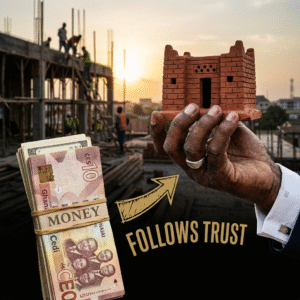
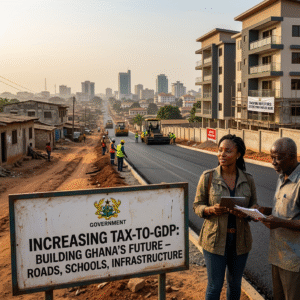
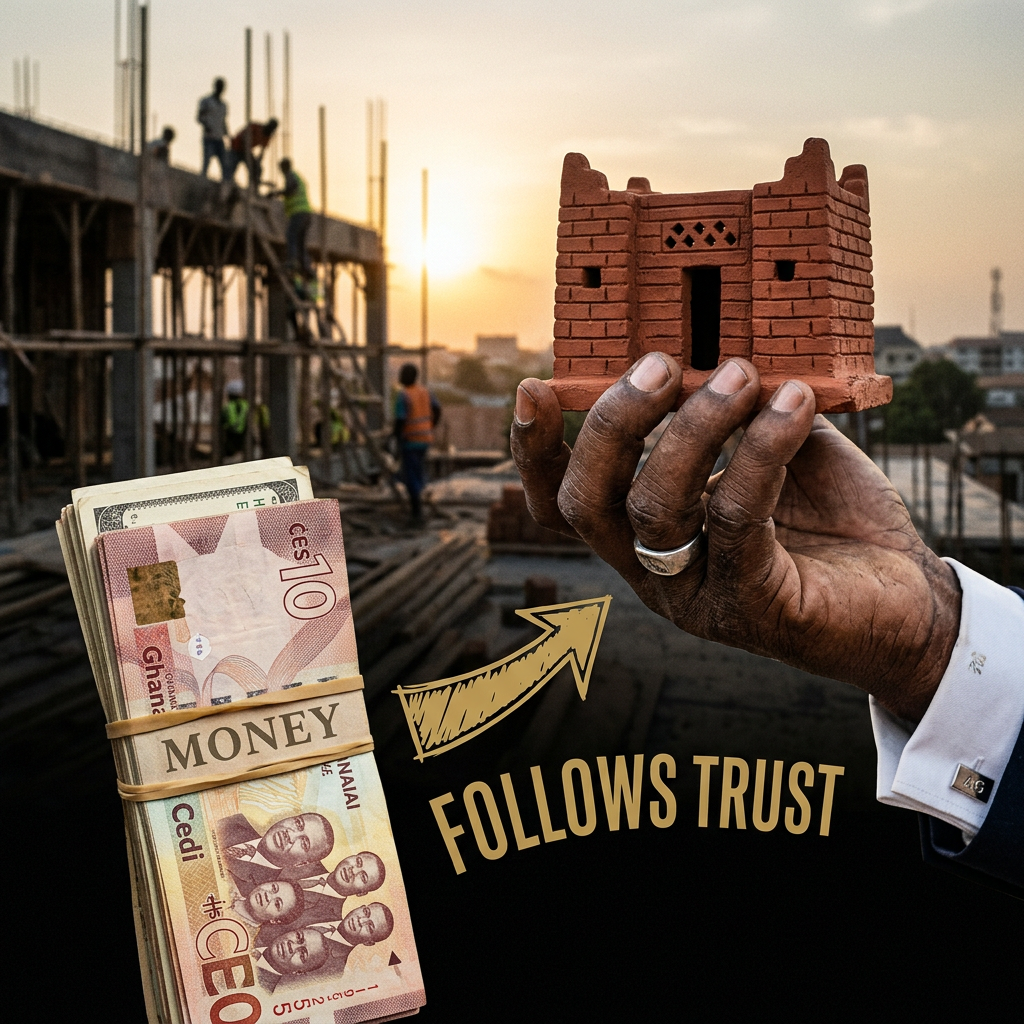
At the recent “Accra Reset: Full Circle – Making Global Development Work Again” event held alongside the 81st United Nations General Assembly in New York, African business magnate Aliko Dangote publicly commended President John Dramani Mahama for Ghana’s rapid economic recovery. Speaking to an international audience, Dangote emphasized that the turnaround was achieved through sound decision-making rather than extraordinary measures, coining the phrase “money follows trust” to describe the renewed investor confidence in Ghana. The Mahama administration has highlighted declining inflation, currency appreciation, improved fiscal performance, and stronger reserves as evidence of this recovery, according to Atinka Online and other leading news outlets.
Takeaway: Ghana’s economic rebound, validated by global business leaders and international forums, signals a strengthening investment climate. For diaspora investors, this renewed confidence may translate into more secure and attractive property opportunities, especially as trust becomes the foundation for capital flows.
How does Ghana’s economic recovery impact investor confidence?
Ghana’s economic recovery, as recognized by Aliko Dangote and the Mahama administration, is likely to boost investor confidence both locally and internationally. When respected figures like Dangote publicly endorse a country’s economic direction, it sends a strong signal to the global business community that Ghana is a credible destination for investment.
The Mahama administration’s focus on declining inflation, a stronger currency, and improved fiscal performance provides tangible evidence of stability. For diaspora investors, these indicators suggest that Ghana is moving toward a more predictable and secure environment for capital deployment. Investor confidence is a critical driver of property demand, as it often precedes increased activity in both residential and commercial real estate markets.
What does this mean for property demand and land values in Ghana?
A climate of restored trust and economic stability may increase demand for property in Ghana, particularly in urban centers like Accra. As international and diaspora investors gain confidence in the country’s economic management, interest in residential, commercial, and land acquisition opportunities is likely to grow.
Historically, periods of economic recovery and currency appreciation have coincided with rising land values and heightened demand for both homes and commercial spaces. For the diaspora, this environment could present opportunities to acquire property with greater assurance of value retention and legal security. However, it is important to note that land-related disputes remain common in Ghana’s courts, making title verification and due diligence essential steps in any transaction.
Is now a good time for diaspora investors to consider property in Ghana?
The current environment, marked by renewed business confidence and international validation, may be favorable for diaspora investors seeking to build wealth and reconnect with their heritage through property ownership in Ghana. The endorsement from a figure like Aliko Dangote, coupled with the Mahama administration’s economic achievements, suggests that Ghana is attracting positive attention from global investors.
For non-citizens, property acquisition in Ghana is typically structured through renewable leaseholds of up to 50 years, as freehold is generally reserved for citizens. Land registration can take six to twelve months, and title verification is non-negotiable due to the prevalence of land disputes. Diaspora investors should prioritize working with vetted professionals and legal experts to navigate these complexities and protect their interests.
What should diaspora investors consider before making a move?
Diaspora investors should approach the Ghanaian property market with both optimism and caution. While the economic turnaround and increased investor confidence are encouraging, the risks associated with unverified sellers, unclear land titles, and evolving regulations remain. Engaging with trusted partners who provide end-to-end support, including property vetting, legal guidance, and on-ground representation, is essential for a secure investment experience.
Diaspora Property Network (DPN Global) is committed to guiding investors through every step of the process, from residential and commercial acquisitions to land development and rental investments. Our team ensures that every property is thoroughly vetted and that clients receive the legal and practical support needed to make informed decisions.
Frequently Asked Questions
-
How does Ghana’s economic recovery affect property investment opportunities?
Ghana’s economic recovery, highlighted by declining inflation and currency appreciation, may create a more stable environment for property investment. Increased investor confidence can lead to higher demand for both residential and commercial properties, especially in key urban areas. -
What legal protections exist for diaspora investors buying property in Ghana?
Non-citizens can acquire property in Ghana through renewable leaseholds of up to 50 years. Title verification and registration with the Lands Commission are critical steps, as land disputes are common. Working with vetted professionals helps ensure legal protection throughout the process. -
Why is investor confidence important for property values?
Investor confidence often leads to increased capital inflows and demand for property, which can support land values and rental yields. When global business leaders endorse a country’s economic direction, it signals to the market that the environment is becoming more attractive for investment.
At DPN Global, where trusted connections meet global opportunities, we are dedicated to helping diaspora investors navigate Ghana’s evolving property landscape with confidence. Explore our vetted opportunities at dpn-global.com, or reach out directly at info@dpn-global.com for personalized guidance.