What Does ECOWAS’s High-Level Dialogue at the Ghana-Togo Border Mean for Diaspora Property Investors?
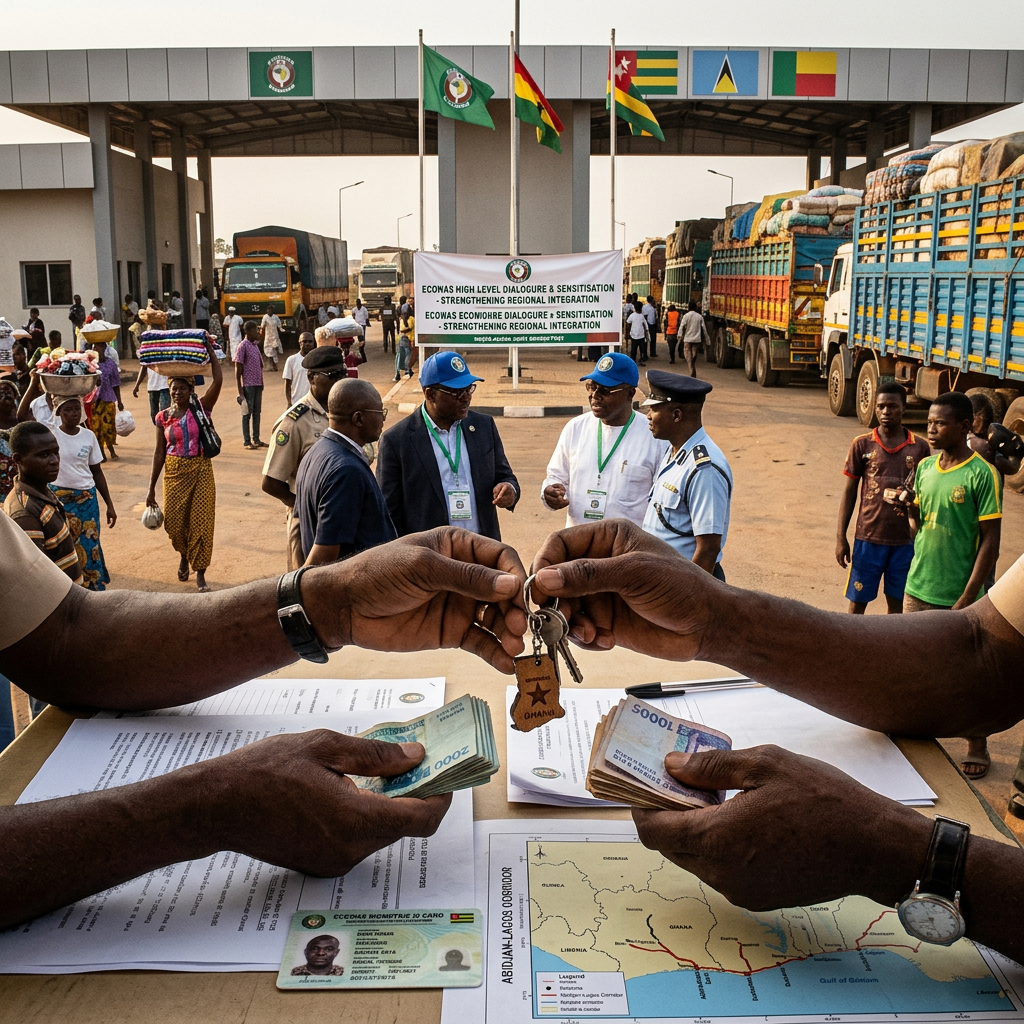
On August 13, 2026, the Economic Community of West African States (ECOWAS) convened a High-Level Dialogue and Sensitisation event at the Noépé-Akanu Joint Border Post, which sits on the vital Abidjan-Lagos Corridor between Ghana and Togo. This gathering brought together border officials, traders, transporters, women, and youth from Benin, Ghana, and Togo. The initiative, as reported by Africa Newsroom (APO Group), is part of ECOWAS’s ongoing efforts to deepen cooperation among border authorities, enhance the application of free movement and trade facilitation frameworks, and promote efficient regional transport and transit systems.[Africa Newsroom]
Takeaway: ECOWAS’s renewed focus on border cooperation and trade facilitation along the Abidjan-Lagos Corridor signals a strengthening of regional economic integration. For diaspora investors, this development may enhance Ghana’s position as a secure and attractive hub for property investment, supported by improving cross-border commerce and long-term economic fundamentals.
How Does Regional Integration Affect Ghana’s Economic Outlook?
Regional integration, as demonstrated by ECOWAS’s recent engagement at the Ghana-Togo border, is likely to boost investor confidence and economic activity in Ghana. When border procedures are streamlined and free movement is prioritized, trade and transport become more efficient, benefiting businesses and communities along the corridor. According to Africa Newsroom, the Abidjan-Lagos Corridor is a critical artery for West African trade and movement, and improvements here can have ripple effects throughout the region.
For Ghana, being a central node on this corridor means increased opportunities for commerce, logistics, and investment. Enhanced cooperation among border authorities and better awareness of ECOWAS frameworks can reduce delays, lower costs, and encourage more cross-border transactions. These factors contribute to a more robust economic environment, which underpins the long-term fundamentals of Ghana’s real estate market.
What Does This Mean for Property Demand and Land Values in Ghana?
Strengthened regional connectivity and trade facilitation may increase demand for both residential and commercial properties in Ghana, especially in areas linked to the Abidjan-Lagos Corridor. As cross-border commerce grows, there is likely to be greater need for logistics hubs, retail spaces, and accommodation for traders and professionals moving between countries. This could draw attention to land acquisition and development opportunities near key transport routes and border towns.
For diaspora investors, these developments suggest that Ghana’s property market is positioned to benefit from regional economic integration. Improved infrastructure and easier movement of people and goods can make locations along the corridor more attractive for both short-term rental investments and long-term holdings. However, it remains essential to approach any investment with caution, given the complexities of land title, leasehold rules for non-citizens, and the need for thorough due diligence.
What Should Diaspora Investors Consider Before Investing?
Diaspora investors should recognize that while regional integration may enhance Ghana’s investment appeal, the fundamentals of secure property acquisition remain unchanged. Non-citizens can acquire property in Ghana through renewable leaseholds of up to 50 years, as freehold is generally reserved for citizens. Land registration typically takes 6 to 12 months, and land-related disputes are common in Ghana’s courts, making title verification before payment non-negotiable.
DPN Global exists to guide and protect diaspora investors through these complexities. Every property in our network is vetted for authenticity and investment potential, and clients are supported by licensed agents, legal professionals, and on-ground teams at every step. Whether you are interested in residential homes, commercial spaces, land acquisition, or rental investments, DPN ensures that your interests are safeguarded in a changing regional landscape.
FAQ: Regional Integration and Diaspora Property Investment in Ghana
-
How does the Abidjan-Lagos Corridor impact property investment in Ghana?
The Abidjan-Lagos Corridor is a major trade and transport route in West Africa. Improvements in border cooperation and trade facilitation along this corridor may increase demand for property near key transport hubs, benefiting both commercial and residential investors. -
What are the risks of buying property in Ghana as a non-citizen?
Non-citizens can only acquire property through renewable leaseholds of up to 50 years. Land disputes are common, so title verification and proper registration with the Lands Commission are essential steps to avoid legal complications. -
Why is DPN Global a trusted partner for diaspora investors?
DPN Global vets every property for authenticity and investment potential, and provides end-to-end support with licensed agents, legal professionals, and on-ground teams. This approach protects investors from common pitfalls and ensures a secure transaction process.
At DPN, where trusted connections meet global opportunities, we are committed to guiding diaspora investors through every step of the property journey in Ghana. Explore verified opportunities at dpn-global.com, or reach out directly at info@dpn-global.com.