Ghana’s Inflation Rises: What Diaspora Investors Need to Know About Real Estate Opportunity
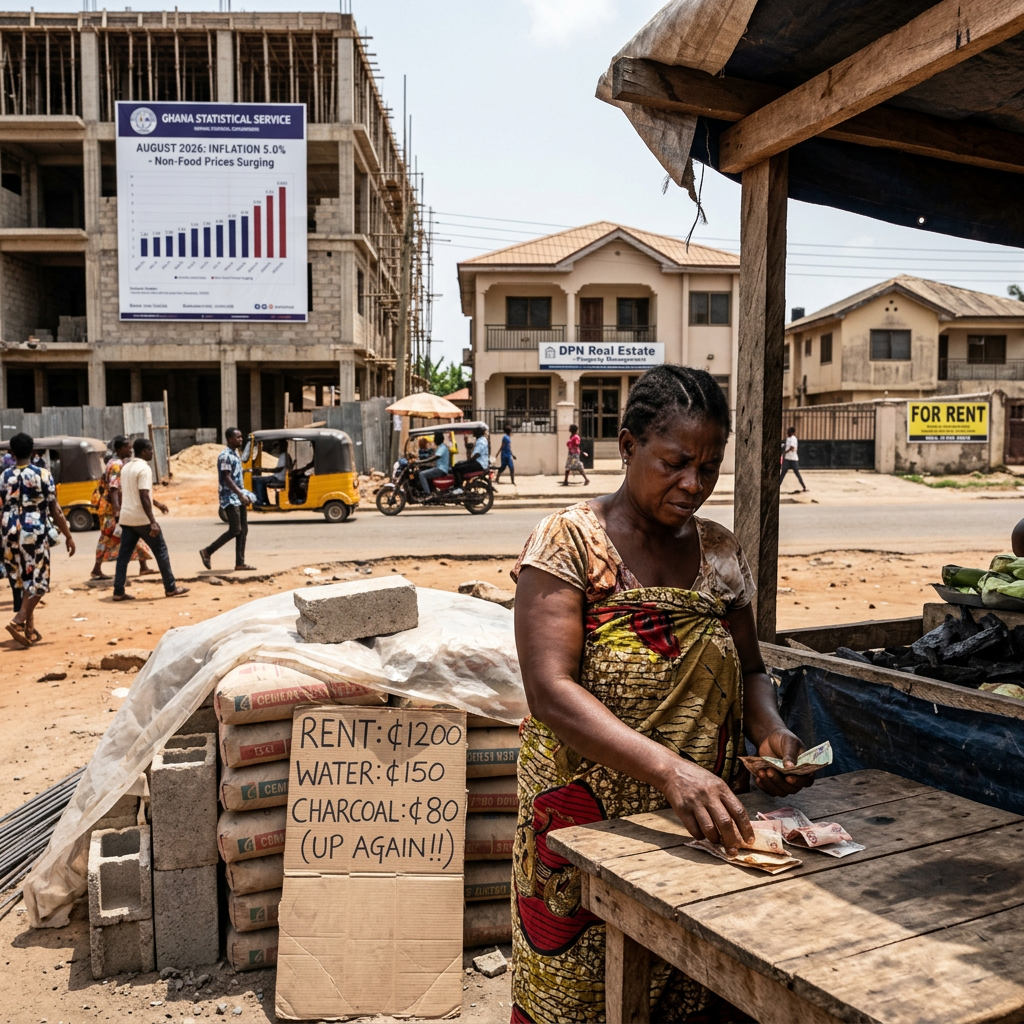
Ghana’s year-on-year inflation rate increased to 5.0% in August 2026, up from 4.6% in July, according to the Ghana Statistical Service. This marks the second consecutive monthly rise, with non-food inflation—especially in services, housing, water, and energy—driving the surge. Rent payments alone contributed 14.7% to total inflation, highlighting the direct impact on the real estate sector. The data, reported by Graphic Online (Graphic Business), offers important signals for diaspora investors considering property in Ghana.
Takeaway: Ghana’s inflation uptick is being driven by domestic costs, especially in housing and services. For diaspora investors, this environment may influence rental yields, construction costs, and the overall stability of property investments. Understanding these trends is essential for making informed decisions in Ghana’s real estate market.
What does Ghana’s latest inflation data mean for the economy?
The recent rise in inflation to 5.0% signals renewed cost pressures in Ghana’s economy, with domestic factors—rather than imported goods—being the main contributors. This suggests that local economic dynamics, such as wages, utilities, and service costs, are shaping the financial landscape for both residents and investors.
Non-food inflation reached 6.8%, accounting for over 70% of total inflation, while services inflation stood at 8.6%. Housing, water, and energy inflation was 10.2%, and transport inflation hit 10.5%. These figures indicate that the cost of living and doing business in Ghana is being shaped by local supply and demand, not global price shocks. According to the Ghana Statistical Service, locally produced goods and services made up 86.2% of total inflation, underscoring the importance of domestic economic management under President Mahama’s Reset Agenda.
How does rising inflation affect property demand and rental yields in Ghana?
Rising inflation, especially in housing and services, may increase rental yields and property values in key urban areas. With rent payments contributing 14.7% to total inflation, the real estate sector is directly impacted by these cost pressures.
For diaspora investors, this environment could mean higher rental income potential, particularly in cities where demand for quality housing remains strong. However, increased inflation also signals higher costs for construction, utilities, and property management. Investors should weigh the potential for improved rental yields against the possibility of rising expenses, especially for new builds or renovations. The fact that domestic factors are driving inflation suggests that local market knowledge and on-ground support are more important than ever for successful property investment.
Is now a good time for diaspora investors to consider property in Ghana?
Current inflation trends highlight both opportunity and risk for diaspora investors. The prominence of rent in the inflation basket suggests sustained demand for rental properties, which may benefit those seeking income-generating assets. At the same time, higher costs for housing, water, and energy mean that due diligence and cost management are critical.
For non-citizens, it is important to remember that property in Ghana is typically acquired through renewable leaseholds of up to 50 years. Land registration can take 6 to 12 months, and title verification is essential to avoid disputes—a common issue in Ghana’s courts. DPN’s model of vetting properties, providing legal support, and guiding clients through every step is designed to protect diaspora investors from these risks while helping them seize opportunities in a changing market.
What should diaspora investors consider before making a move?
Investors should carefully assess the impact of inflation on both rental yields and ownership costs. Understanding the local drivers of inflation—such as housing, utilities, and services—can help in selecting the right property and structuring investments for long-term stability.
Working with trusted partners who offer end-to-end support, including title searches, Lands Commission registration, and on-ground guidance, is essential. DPN’s commitment to vetting every property and supporting clients through legal and regulatory processes is designed to provide the clarity and protection that diaspora investors need.
FAQ: Ghana Inflation and Diaspora Property Investment
-
How does inflation affect rental yields in Ghana?
Inflation, especially when driven by housing and services, can increase rental yields as landlords adjust rents to keep pace with rising costs. However, it can also raise expenses for property owners, so careful financial planning is needed. -
What are the risks of buying property in Ghana during periods of rising inflation?
The main risks include higher construction and maintenance costs, as well as potential delays in land registration. Title verification and working with vetted professionals are essential to avoid disputes and unexpected expenses. -
Can non-citizens own property in Ghana?
Non-citizens can acquire property through renewable leaseholds of up to 50 years. Freehold ownership is generally reserved for citizens. Proper legal support is crucial to ensure compliance and protect your investment.
At DPN, where trusted connections meet global opportunities, we guide diaspora investors through every step of the property journey in Ghana. Explore verified opportunities at dpn-global.com, or reach out to us directly at info@dpn-global.com for personalized support.