Ghana’s $450 Million Digital Infrastructure Push: What It Means for Diaspora Property Investors
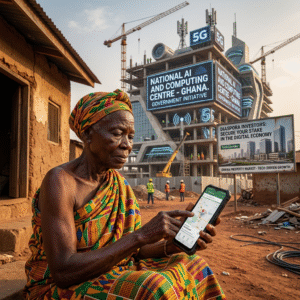
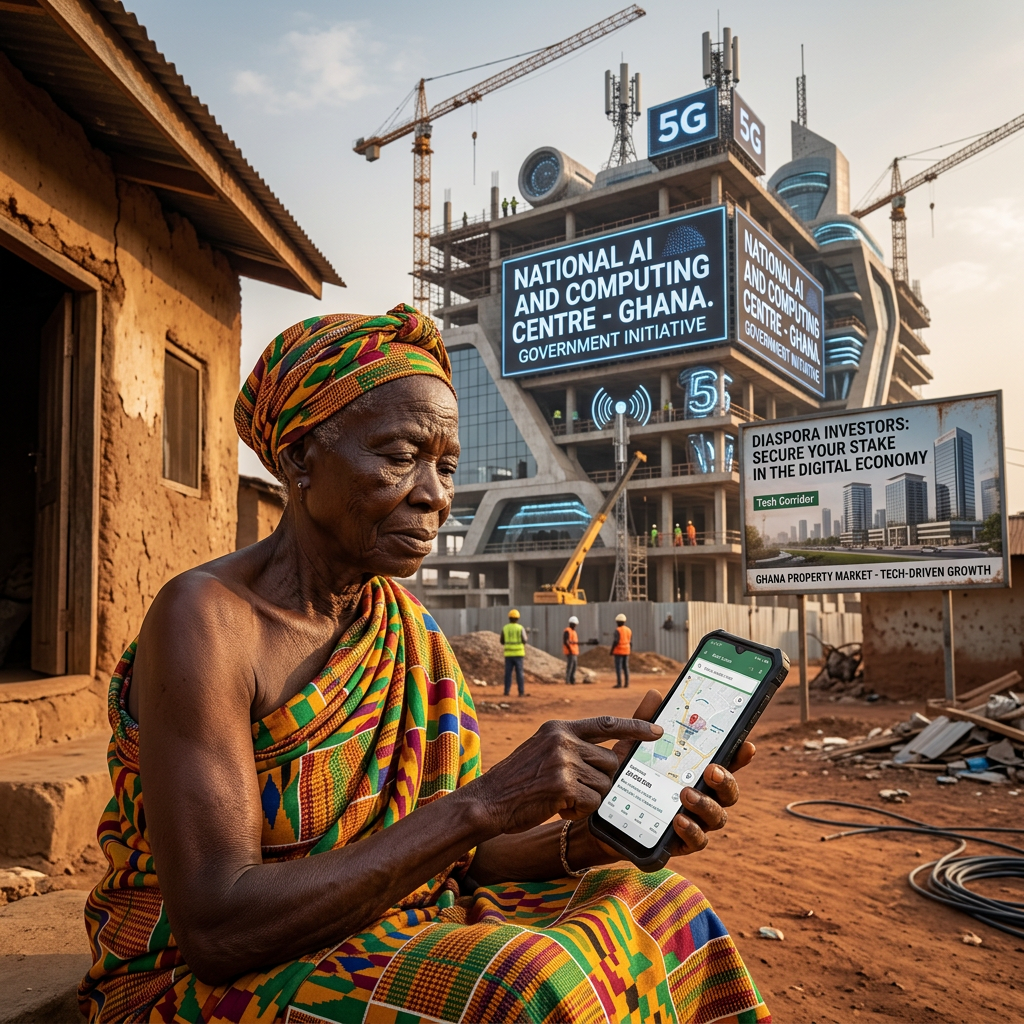
On September 15, 2026, Ghana’s Minister for Communication, Digital Technology and Innovation, Samuel Nartey George, announced a sweeping government initiative to address the country’s digital and artificial intelligence (AI) infrastructure gaps. According to Citi Newsroom, Cabinet has approved US$250 million for a National AI and Computing Centre, as part of a broader US$450 million commitment to strengthen digital infrastructure and AI capacity. The government also confirmed that Ghana is on track to begin 5G spectrum assignment and deployment by December 2026. These measures are designed to position Ghana as a regional technology hub, supporting advanced data processing, machine learning, and cloud services.
Takeaway: Ghana’s major investment in digital and AI infrastructure signals a new era of urban development and technology-driven growth. For diaspora investors, this could mean rising demand for commercial and residential property in emerging tech corridors, as well as a more attractive and secure investment climate.
How does Ghana’s digital infrastructure investment impact the economy?
Ghana’s US$450 million commitment to digital and AI infrastructure is likely to accelerate economic modernization and attract both foreign and diaspora capital, according to Citi Newsroom. By establishing a National AI and Computing Centre and preparing for 5G deployment, the government is laying the groundwork for high-volume data processing, advanced analytics, and cloud-based services. These capabilities are essential for sectors ranging from finance and healthcare to logistics and education.
Such large-scale infrastructure projects often serve as catalysts for broader economic activity. Improved digital connectivity can boost productivity, foster innovation, and make Ghana more competitive as a regional technology hub. The government’s focus on AI and computing also signals a commitment to future-proofing the economy, which may draw attention from multinational firms and technology startups seeking a base in West Africa.
What does this mean for property demand and land values in Ghana’s tech corridors?
Major digital infrastructure investments typically drive demand for both commercial and residential real estate in areas surrounding new technology hubs. As Ghana moves forward with the National AI and Computing Centre and 5G rollout, urban districts positioned near these developments may see increased interest from businesses, professionals, and service providers.
For diaspora investors, this could translate into opportunities to acquire land or develop properties in emerging tech corridors. Commercial spaces such as offices, co-working hubs, and retail outlets may become more attractive as technology firms and support services cluster around the new infrastructure. Residential demand may also rise as skilled workers and entrepreneurs relocate to take advantage of new opportunities.
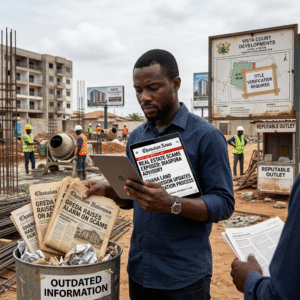
It is important to note that land registration in Ghana typically takes 6 to 12 months, and land-related disputes are common in the courts. Title verification before payment remains non-negotiable, especially in high-demand areas where competition for property may intensify.
Is now a good time for diaspora investors to consider Ghana’s technology-driven property market?
Ghana’s commitment to digital transformation and AI infrastructure is likely to draw attention to the country’s property market, particularly in urban and peri-urban areas linked to technology development. Diaspora investors may find that early engagement in these corridors offers the potential for long-term value appreciation and rental yield, as demand for quality commercial and residential spaces grows.
However, investing in Ghana’s property market requires careful due diligence. Non-citizens can acquire property through renewable leaseholds of up to 50 years, while freehold is generally reserved for citizens. Navigating land acquisition, title searches, and Lands Commission registration can be complex, especially for those based abroad. Working with vetted professionals and on-ground teams is essential to avoid common pitfalls such as unverified sellers or unclear land titles.
What should diaspora investors consider before investing in Ghana’s tech corridors?
Before making a property investment in Ghana’s emerging technology hubs, diaspora investors should prioritize legal due diligence and title verification. The surge in infrastructure spending may increase competition for land and property, making it even more important to work with trusted partners who can provide end-to-end support.
DPN Global offers a protective, solution-oriented approach for diaspora investors. Every property is vetted for authenticity and investment potential, and clients are supported by licensed agents, legal professionals, and on-ground teams throughout the transaction process. This ensures that investments are secure and aligned with both personal and financial goals.
FAQ: Ghana’s Digital Infrastructure and Diaspora Property Investment
-
How does the National AI and Computing Centre affect property values?
The establishment of a National AI and Computing Centre may increase demand for commercial and residential properties in nearby areas, as technology firms and skilled professionals seek proximity to the new hub. This could lead to higher land values and rental yields over time. -
Can non-citizens buy property in Ghana’s tech corridors?
Non-citizens can acquire property in Ghana through renewable leaseholds of up to 50 years. Freehold ownership is generally reserved for citizens. It is essential to verify land titles and complete all legal processes to ensure a secure investment. -
What risks should diaspora investors be aware of?
Land disputes and unverified sellers are common risks in Ghana’s property market. Title verification and working with vetted professionals are critical steps to avoid fraud and ensure a smooth transaction, especially in high-demand areas linked to new infrastructure.
At DPN Global, where trusted connections meet global opportunities, we guide diaspora investors through every step of the property journey in Ghana’s evolving landscape. Explore verified opportunities at dpn-global.com, or reach out to us directly at info@dpn-global.com for personalized support.