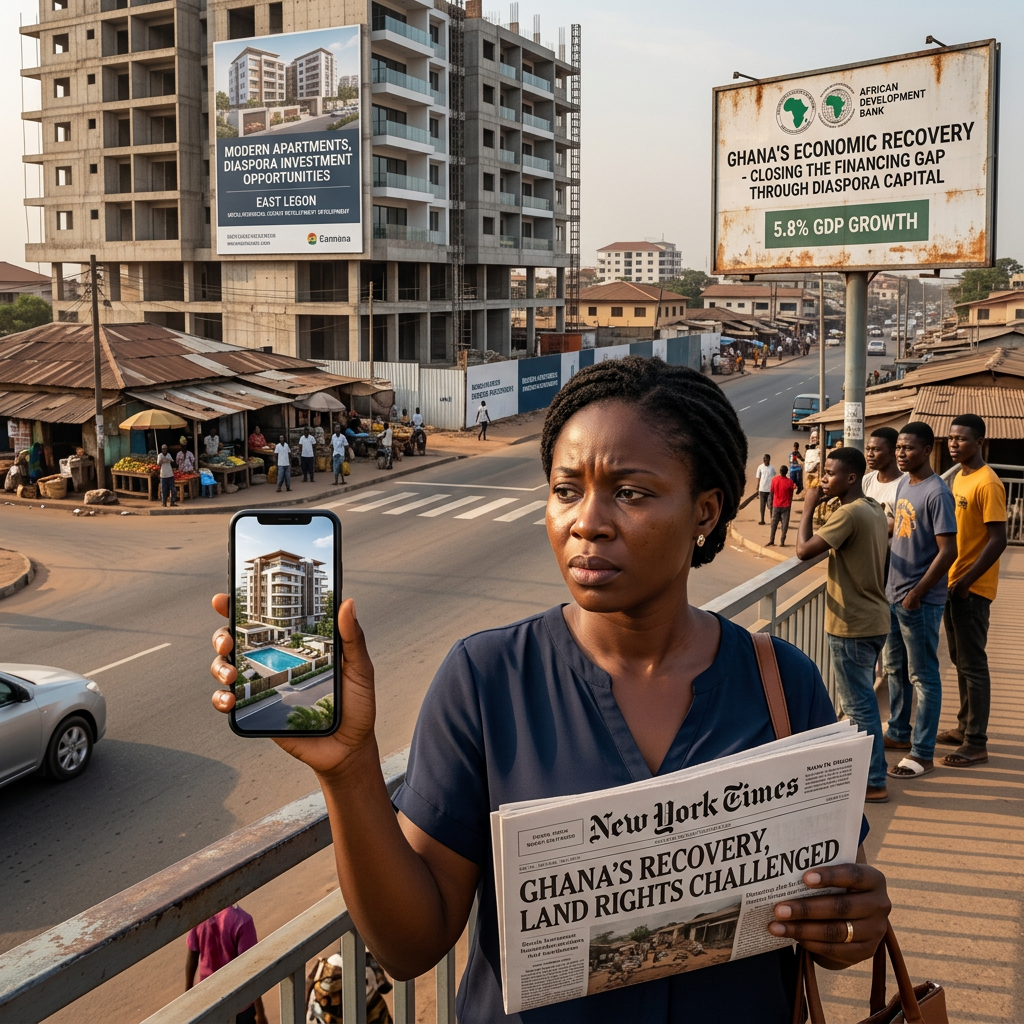
Ghana’s Economic Recovery and What It Means for Diaspora Property Investment
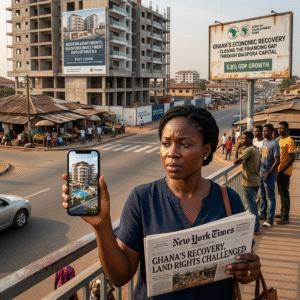
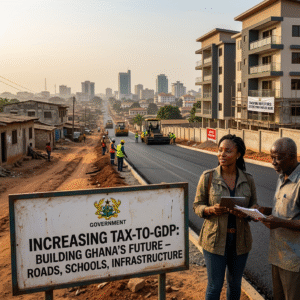
Ghana’s economy is showing clear signs of recovery and transformation, according to the African Development Bank’s (AfDB) 2026 Country Focus Report published on September 23, 2026. The report confirms that Ghana’s GDP grew by 5.8% in 2025, up from 5.6% in 2024, outpacing both continental and regional averages. This growth was driven by robust performance in services, agriculture, domestic consumption, and gold production. Inflation dropped sharply to 14.6%, the fiscal deficit narrowed to 2.4% of GDP, and public debt fell to 45.3% of GDP from 61.8%. While these are strong macroeconomic signals, the report also highlights ongoing challenges, including a $1.5 billion annual development financing gap, high youth unemployment at 32%, and multidimensional poverty at 22%. Notably, the AfDB identifies diaspora capital as a key mechanism to help close this financing gap, alongside public-private partnerships and other sources.
Takeaway: Ghana’s economic turnaround is making it a more attractive destination for diaspora property investment. The AfDB’s explicit call for diaspora capital signals new opportunities for those seeking to build wealth, reconnect with heritage, and contribute to Ghana’s growth, but careful navigation of risks remains essential.
How is Ghana’s economic recovery shaping the investment landscape?
Ghana’s recent economic performance, as reported by the African Development Bank, signals a more stable and promising environment for investors. The country’s GDP growth of 5.8% in 2025, combined with falling inflation and a reduced fiscal deficit, points to a macroeconomic turnaround that is likely to draw attention from both local and international investors.
These improvements are not just numbers on a page. Lower inflation means greater purchasing power and more predictable costs for property buyers. A narrower fiscal deficit and declining public debt suggest that the government is managing its finances more prudently, which can foster confidence in long-term investments. The strengthening of Ghana’s external position, supported by higher exports, remittance inflows, and improved foreign exchange reserves, further enhances the country’s appeal as an investment destination.
What does this mean for property demand and land values in Ghana?
Economic stability and growth often translate into increased demand for both residential and commercial property. As Ghana’s services and agriculture sectors expand, and as domestic consumption rises, there may be greater demand for housing, office space, and retail developments in urban and peri-urban areas. The AfDB’s report suggests that these trends could signal rising land values and new opportunities for property investors, especially in growth corridors linked to these sectors.
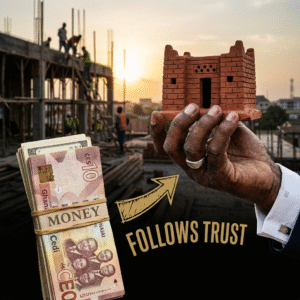
For diaspora investors, the explicit recognition of diaspora capital as a key financing mechanism is significant. It means that the Ghanaian government and its partners are actively seeking ways to channel diaspora funds into productive investments, including real estate. This could lead to more structured and secure pathways for diaspora property investment, with greater emphasis on transparency and legal protection.
Is now a good time for diaspora investors to consider property in Ghana?
The current economic climate, as described by the African Development Bank, is likely to make Ghana more attractive to diaspora investors. The combination of macroeconomic stability, government openness to diaspora capital, and ongoing structural transformation creates a window of opportunity for those looking to invest in property.
However, risks remain. The report notes persistent challenges such as youth unemployment and multidimensional poverty, which could affect long-term demand in certain segments. Additionally, Ghana’s property market is characterized by complex land tenure systems, with non-citizens generally limited to renewable leaseholds of up to 50 years. Land registration can take 6 to 12 months, and land-related disputes are common in the courts. Title verification before payment is non-negotiable for any serious investor.
This is where Diaspora Property Network (DPN Global) comes in. DPN provides vetted properties, legal support, and on-ground guidance to ensure that diaspora investors are protected at every step. Whether you are interested in residential homes, commercial developments, land acquisition, or rental investments, DPN’s team of licensed agents and legal professionals can help you navigate the process with confidence.
What should diaspora investors consider before making a move?
Diaspora investors should weigh the opportunities presented by Ghana’s economic recovery against the practical realities of property acquisition. It is essential to work with trusted partners who understand the local market, can verify land titles, and provide end-to-end support. Investors should also be aware of the leasehold rules for non-citizens and the importance of registering property with the Lands Commission.
By aligning your investment strategy with Ghana’s growth sectors and working with a vetted network like DPN, you can position yourself to benefit from the country’s transformation while minimizing risks.
FAQ: Ghana Economic Recovery and Diaspora Property Investment
-
How does Ghana’s economic recovery affect property investment opportunities?
Ghana’s economic recovery, marked by strong GDP growth and improved fiscal health, is likely to increase demand for property and raise land values in key areas. This creates new opportunities for diaspora investors seeking stable, long-term returns. -
What are the main risks for diaspora investors in Ghana’s property market?
The main risks include complex land tenure systems, potential land disputes, and the need for thorough title verification. Non-citizens are generally limited to renewable leaseholds of up to 50 years, and land registration can take several months. -
Why is diaspora capital important for Ghana’s development?
According to the African Development Bank, diaspora capital is a key mechanism to help close Ghana’s $1.5 billion annual development financing gap. Channeling diaspora funds into real estate and other productive sectors can support inclusive growth and structural transformation.
At DPN Global, where trusted connections meet global opportunities, we guide diaspora investors through every step of the property journey in Ghana. Explore verified opportunities at dpn-global.com, or reach out to us directly at info@dpn-global.com for personalized support.