What Does the Bank of Ghana’s Rate Hold Mean for Diaspora Property Investors?
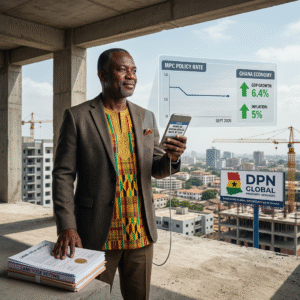
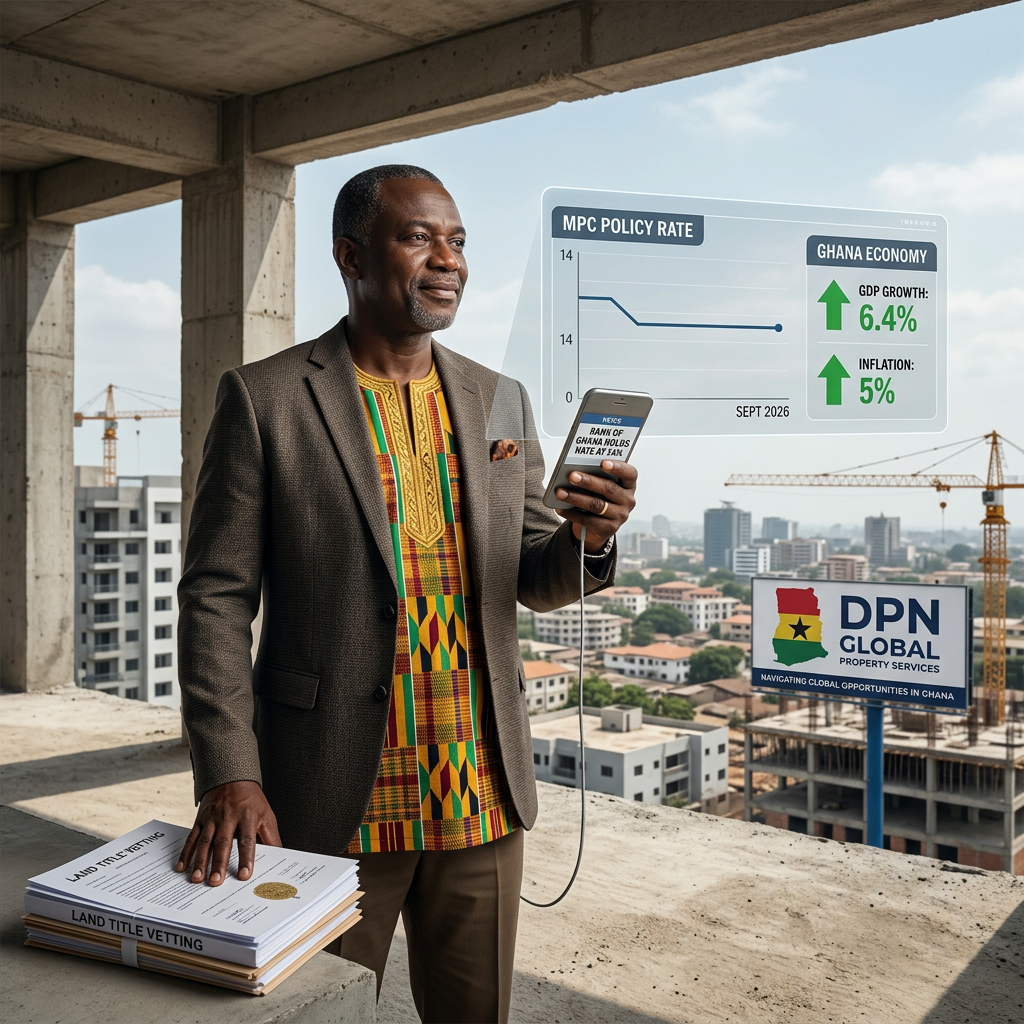
The Bank of Ghana’s Monetary Policy Committee (MPC) concluded its 132nd meeting on September 24, 2026, deciding to maintain the benchmark policy rate at 14 percent. This decision comes as Ghana’s economy continues to show robust growth, with GDP expanding by 6.0 percent in Q2 2026 and 6.4 percent in Q1 2026. Headline inflation eased to 5 percent in August, below the Bank’s 6 to 10 percent target band, while the cedi has remained stable at around GH¢11.55 to the US dollar. The MPC weighed the benefits of a rate cut—such as lower borrowing costs and improved credit conditions—against risks like rising global oil prices, geopolitical tensions, and potential inflationary pressures. According to Citi Newsroom, some analysts had anticipated a rate cut to between 12 and 13 percent, but the committee opted for caution in the face of external uncertainties.[Citi Newsroom]
What is the key takeaway for diaspora property investors?
The Bank of Ghana’s decision to hold the policy rate at 14 percent signals continued macroeconomic stability, which is a positive indicator for diaspora investors considering property in Ghana. While borrowing costs remain unchanged for now, the strong economic fundamentals and low inflation environment may support property demand and investment confidence in the months ahead.
For members of the African diaspora, stable interest rates and a resilient cedi create a more predictable environment for making long-term real estate decisions. This is especially relevant for those weighing residential purchases, land acquisition, or development projects in Ghana.
How does the policy rate affect property investment conditions in Ghana?
The policy rate set by the Bank of Ghana directly influences the cost of borrowing for both individuals and businesses. When the rate is lowered, mortgage and development financing typically become more affordable, which can boost demand in the residential and commercial property markets. By holding the rate steady at 14 percent, the MPC is signaling a cautious approach, prioritizing economic stability over immediate stimulus.
For diaspora investors, this means that while mortgage rates may not decrease in the short term, the underlying economic environment remains supportive. Ghana’s strong GDP growth and subdued inflation suggest that the country is managing its macroeconomic risks effectively. This stability is a key consideration for anyone looking to invest in property, as it reduces the likelihood of sudden currency depreciation or sharp increases in financing costs.
Is now a good time to buy land or property in Ghana?
Current conditions may favor careful entry into the Ghanaian property market, especially for diaspora investors seeking long-term value. The combination of strong economic growth, low inflation, and cedi stability creates a foundation for sustained demand in both residential and commercial real estate. However, the unchanged policy rate means that financing costs remain at their recent levels, so buyers should assess affordability based on current mortgage offerings.
It is important to remember that non-citizens can acquire property in Ghana through renewable leaseholds of up to 50 years, with freehold generally reserved for citizens. Land registration typically takes 6 to 12 months, and land-related disputes are common in Ghana’s courts. Title verification before payment is essential to avoid legal complications. DPN provides end-to-end support, including property vetting, legal guidance, and on-ground assistance, to help diaspora investors navigate these complexities with confidence.
What should diaspora investors consider before making a move?
Before committing to a property purchase or development project, diaspora investors should carefully evaluate the current financing environment, the stability of the cedi, and the legal requirements for land acquisition. The Bank of Ghana’s decision to hold rates suggests that the central bank is prioritizing stability, which may reassure investors concerned about macroeconomic volatility.
Working with a trusted partner like DPN ensures that every property is vetted for authenticity and investment potential. Our team supports clients through every step, from title searches and Lands Commission registration to connecting with licensed agents and legal professionals. This approach protects investors from common pitfalls such as unverified sellers, land disputes, and unclear leasehold terms.
FAQ: Diaspora Property Investment and Ghana’s Policy Rate
-
How does the Bank of Ghana’s policy rate impact mortgage rates?
The policy rate serves as a benchmark for commercial banks when setting lending rates, including mortgages. When the policy rate is held steady, mortgage rates are likely to remain unchanged, affecting the affordability of property purchases for both residents and diaspora investors. -
What are the risks of buying property in Ghana as a non-citizen?
Non-citizens can acquire property through renewable leaseholds of up to 50 years. However, land disputes are common, and title verification is essential. Working with vetted professionals and ensuring proper registration with the Lands Commission can help mitigate these risks. -
Why is economic stability important for property investment?
Economic stability, reflected in steady GDP growth, low inflation, and a stable currency, reduces the risk of sudden changes in property values or financing costs. This creates a more predictable environment for long-term investment decisions, especially for diaspora buyers planning for return migration or wealth building.
At DPN Global, where trusted connections meet global opportunities, we guide diaspora investors through every step of the property journey in Ghana. Explore our vetted opportunities at dpn-global.com, or reach out directly at info@dpn-global.com for personalized support.