
How Ghana’s “Big Push” Road Project Signals New Real Estate Opportunities for Diaspora Investors
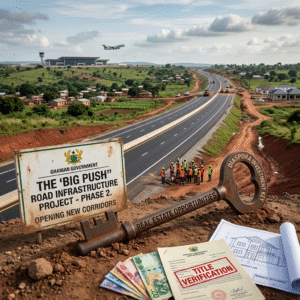
Ghana’s government has launched what it calls Africa’s largest road infrastructure project, with Phase 2 of the “Big Push” programme now underway, according to Roads and Highways Minister Kwame Agbodza. The announcement, reported by Citi Newsroom, comes as President Mahama also confirmed a new Wa Airport project, highlighting a national focus on expanding transport and connectivity infrastructure.
Takeaway: Ghana’s unprecedented investment in road and airport infrastructure is likely to increase real estate demand and open new corridors for property development, especially outside Accra. For diaspora investors, these projects may create fresh opportunities in land acquisition, residential, and rental markets—provided transactions are approached with careful due diligence and trusted local support.
What is Ghana’s “Big Push” road infrastructure project?
Ghana’s “Big Push” is a government-led initiative to dramatically expand the country’s road network, described by Minister Kwame Agbodza as the largest such project on the continent, according to Citi Newsroom. Phase 2 is currently in progress, with the government committing significant resources to improve transport links as the national economy strengthens. Alongside this, President Mahama’s confirmation of a new Wa Airport project signals a coordinated effort to boost connectivity across Ghana.
This infrastructure drive is not limited to urban centers. By targeting both roads and airports, the government aims to connect previously underserved regions, making them more accessible for commerce, travel, and investment.
How could these infrastructure projects affect Ghana’s economy and property market?
Major infrastructure investments like the “Big Push” typically stimulate economic activity by improving access to markets, reducing travel times, and attracting new businesses. For Ghana, expanding the road network and adding a new airport in Wa may encourage development in regions that have historically seen less investment, according to Citi Newsroom.
For the property market, improved roads and airports often lead to increased demand for land and housing near new or upgraded transport corridors. Areas that were once considered remote can become attractive for residential, commercial, and rental developments as connectivity improves. This can, in turn, raise land values and create new opportunities for both local and diaspora investors.
What does this mean for diaspora investors considering property in Ghana?
For members of the African diaspora, especially those in the US, UK, and Canada, Ghana’s infrastructure expansion may signal a timely opportunity to explore property investment beyond Accra. As new roads and airports open up regions like Wa and other parts of the country, diaspora buyers could benefit from early entry into emerging markets where land and property values may appreciate as accessibility improves.
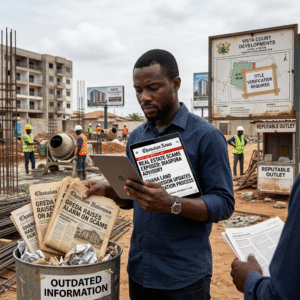
However, investing in newly connected areas comes with unique risks. Land disputes remain common in Ghana, and title verification is essential before any payment is made. Non-citizens should also be aware that property acquisition is typically through renewable leaseholds of up to 50 years, with freehold reserved for citizens. Land registration can take six to twelve months, and working with unverified sellers or informal agents increases the risk of fraud.
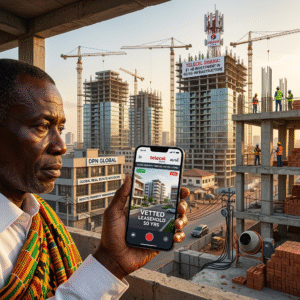
DPN Global’s role is to guide diaspora investors through these complexities. Every property in our network is vetted for authenticity and investment potential, and clients are supported by licensed agents, legal professionals, and on-ground teams throughout the transaction process. This approach is designed to protect investors from common pitfalls and ensure that opportunities created by infrastructure projects are pursued safely and successfully.
Is now a good time to buy land or property near Ghana’s new infrastructure corridors?
With the government’s commitment to expanding the road network and launching the Wa Airport project, areas along these new corridors are likely to draw increased attention from developers and investors, according to Citi Newsroom. Early movers may find opportunities in land acquisition and development, as well as in residential and rental markets that could benefit from improved accessibility.
That said, timing and due diligence are critical. Infrastructure projects can take years to complete, and not every area will see immediate growth. Investors should focus on regions with clear government commitment and ensure all land titles are verified through the Lands Commission before proceeding. DPN Global provides end-to-end support, from title searches to legal guidance, to help diaspora investors make informed decisions in these evolving markets.
FAQ: Ghana’s Infrastructure Expansion and Diaspora Property Investment
-
How does new road and airport infrastructure affect property values in Ghana?
Improved transport links often increase demand for land and housing in connected areas, which can lead to higher property values over time. However, the impact varies by location and depends on the scale and completion of the projects. -
What should diaspora investors know about buying land in newly connected regions?
Diaspora investors should prioritize title verification and work with licensed professionals, as land disputes are common in Ghana. Non-citizens can acquire property through renewable leaseholds of up to 50 years, and registration typically takes six to twelve months. -
Can I invest in short-term rentals or commercial property near new infrastructure projects?
Yes, improved connectivity may increase demand for both short-term rentals and commercial spaces in newly accessible areas. It is important to assess local market conditions and ensure all legal requirements are met before investing.
At DPN Global, where trusted connections meet global opportunities, we help diaspora investors navigate Ghana’s evolving property landscape with confidence. Explore our vetted opportunities at dpn-global.com, or reach out directly at info@dpn-global.com to speak with our team.