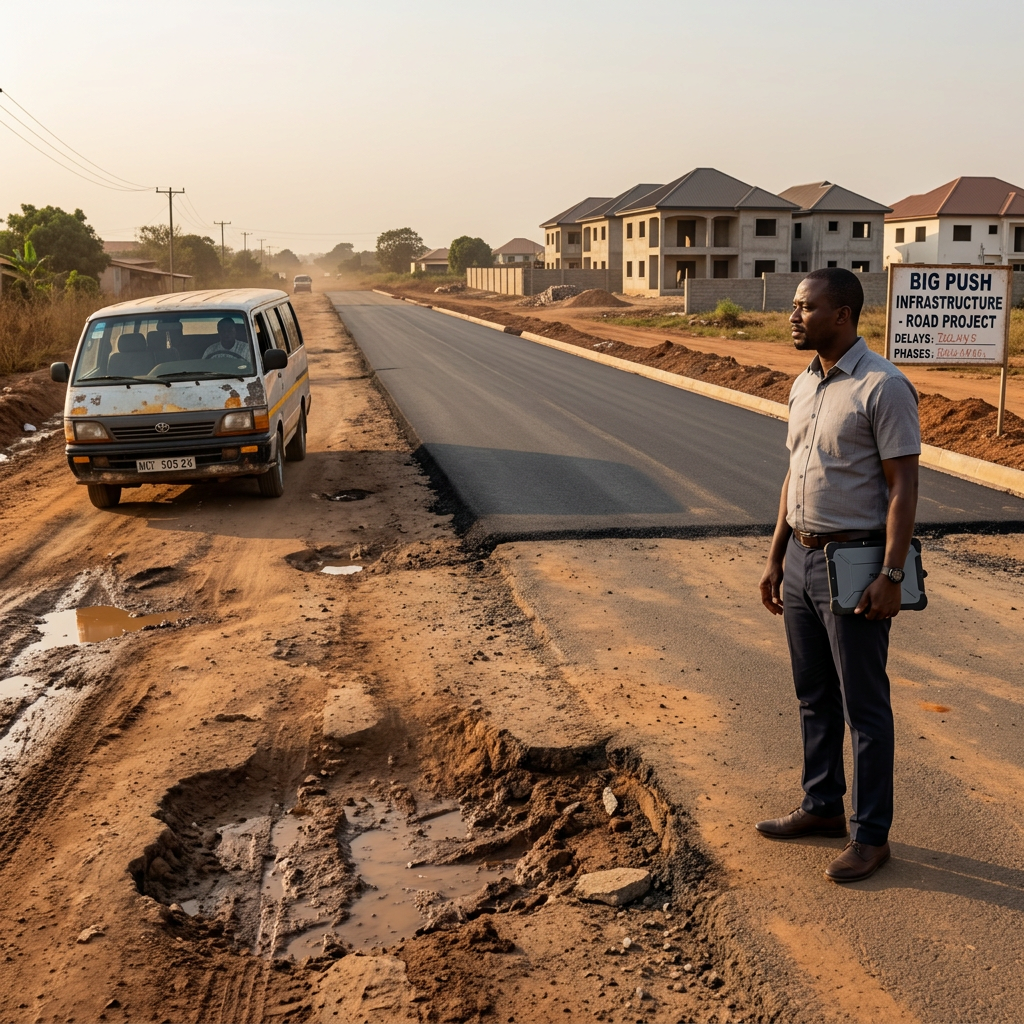
Ghana’s Road Maintenance Gap: What Diaspora Investors Need to Know About Property Values and Infrastructure
On August 31, 2026, Citi Newsroom reported that Ghana is currently funding only 37% of its road maintenance needs, according to a new World Bank report. This shortfall leaves a substantial infrastructure financing gap, which the report identifies as a key constraint on Ghana’s economic transformation. The World Bank also highlighted that road crashes cost the country $4.55 billion annually, further underscoring the urgency of addressing the nation’s infrastructure deficit. These findings are especially relevant for diaspora investors considering property or land acquisitions in Ghana, as road and transport infrastructure play a pivotal role in determining property values, development viability, and long-term returns.[Citi Newsroom]
What is the key takeaway for diaspora property investors?
The World Bank’s findings signal that while Ghana’s infrastructure deficit presents challenges, it also highlights areas where government investment and private sector interest may converge, especially in regions targeted by the Big Push infrastructure programme. For diaspora investors, understanding the state of road infrastructure is essential for making informed decisions about land acquisition, residential development, and rental investments outside Accra.
Ghana’s underfunded road maintenance affects not only daily accessibility but also the long-term appreciation and viability of property investments. As the government pursues ambitious infrastructure projects, investors should track which corridors and regions are prioritized, as these areas may see improved connectivity and rising land values over time.
How does Ghana’s road maintenance gap affect property values and development?
Poorly maintained roads can limit access to promising development zones, increase construction costs, and slow the appreciation of land and property values. According to the World Bank report, Ghana’s current funding covers just over a third of its road maintenance requirements, leaving many areas underserved.[Citi Newsroom] For diaspora investors, this means that due diligence on infrastructure is critical, especially when considering land or property outside major urban centers like Accra.
Accessibility is a key driver of both residential and commercial property demand. In regions where roads are well-maintained or slated for upgrades under government programmes such as the GH¢63 billion Big Push initiative, there may be greater potential for asset appreciation and rental yield. Conversely, areas with persistent infrastructure deficits may face slower growth and higher risks related to logistics and tenant demand.
What should diaspora investors consider before acquiring land or property in Ghana?
Before making a purchase, diaspora investors should assess the current and planned state of road infrastructure in their target area. This includes reviewing government development pipelines, such as the Big Push infrastructure programme, and understanding how these projects may impact accessibility and property values in the medium to long term.
It is also essential to recognize that land registration in Ghana typically takes 6 to 12 months, and that land-related disputes are common in the courts. Title verification before payment is non-negotiable, especially in regions where infrastructure improvements may drive speculative activity. Non-citizens should be aware that property acquisition is generally through renewable leaseholds of up to 50 years, with freehold reserved for citizens.
DPN Global provides end-to-end support for diaspora investors, including access to vetted properties, legal guidance, and on-ground teams who understand the nuances of Ghana’s infrastructure landscape. Our approach ensures that clients are protected from common pitfalls, such as unverified sellers or unclear land titles, and are positioned to benefit from emerging opportunities as Ghana’s infrastructure evolves.
Is now a good time to invest in areas targeted by Ghana’s Big Push infrastructure programme?
Areas included in the government’s Big Push infrastructure programme may offer attractive opportunities for diaspora investors, as improved road connectivity can enhance both residential and commercial property values. However, the current funding gap means that not all projects will progress at the same pace, and some regions may experience delays or incomplete upgrades.[Citi Newsroom] Investors should monitor official announcements and seek guidance from trusted professionals who can verify the status of infrastructure projects and assess their likely impact on property markets.
Short-term and rental investments, in particular, may benefit from proximity to upgraded transport corridors, as improved accessibility can drive tenant demand and occupancy rates. Land acquisition in these areas should be approached with careful title verification and a clear understanding of leasehold terms for non-citizens.
FAQ: Ghana Road Infrastructure and Diaspora Property Investment
-
How does road infrastructure impact property investment in Ghana?
Road infrastructure directly affects property accessibility, construction costs, and long-term value appreciation. Well-maintained roads can increase demand and rental yields, while poor infrastructure may limit growth and pose logistical challenges. -
What risks should diaspora investors be aware of when buying land outside Accra?
Investors should be cautious of land disputes, unclear titles, and speculative sellers, especially in areas where infrastructure upgrades are planned. Title verification and legal support are essential to avoid common pitfalls. -
Can non-citizens own property in Ghana?
Non-citizens can acquire property through renewable leaseholds of up to 50 years. Freehold ownership is generally reserved for Ghanaian citizens. Understanding leasehold terms and registration processes is crucial for a secure investment.
At DPN Global, where trusted connections meet global opportunities, we guide diaspora investors through every step of the property journey in Ghana. Explore our vetted opportunities at dpn-global.com, or reach out directly at info@dpn-global.com for personalized support.