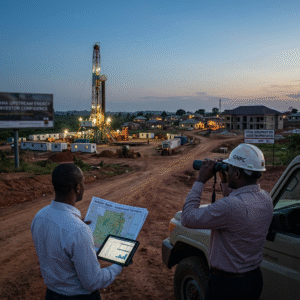

What Does Ghana’s $12 Billion Investment Drive Mean for Diaspora Property Investors?
Ghana’s Minister of Trade, Agribusiness and Industry, Elizabeth Ofosu-Adjare, has announced a government initiative to convert approximately US$12 billion in planned and announced investments into operational businesses. This effort, revealed at the launch of the 2025 Annual Investment Report, aims to create jobs, boost production, and drive economic growth. In 2025 alone, Ghana attracted about US$2.6 billion in foreign direct investment (FDI) across more than 250 projects, with priority sectors including agribusiness, textiles and garments, pharmaceuticals, vehicle manufacturing, and agro-processing. The Minister emphasized that legislative reforms—such as the Ghana Investment Promotion Authority Bill and the Business Regulatory Reform Bill—are underway to improve the business environment, infrastructure, and regulatory clarity. This news was reported by GhanaWeb.
What is the key takeaway for diaspora investors?
Ghana’s push to operationalize $12 billion in investments signals a government-backed commitment to economic growth and sectoral expansion, which may increase demand for both residential and commercial real estate. For diaspora investors, this environment could present new opportunities, especially in areas linked to priority sectors and infrastructure improvements.
With legislative reforms and targeted investment in productive industries, Ghana is positioning itself as a more attractive and secure destination for property investment. Diaspora investors should pay close attention to these developments, as they may shape future demand for land, housing, and commercial spaces.
How could these investments impact Ghana’s economy and real estate market?
The government’s focus on converting announced investments into real businesses is likely to strengthen Ghana’s economic fundamentals. According to GhanaWeb, the targeted sectors—agribusiness, textiles, pharmaceuticals, vehicle manufacturing, and agro-processing—are all industries that require significant physical infrastructure and workforce. As these sectors expand, they may drive demand for both commercial properties (such as factories, warehouses, and offices) and residential housing for employees and executives.
Additionally, the ongoing legislative reforms are designed to improve the business environment by enhancing infrastructure, access to finance, and regulatory clarity. These changes could make property transactions more transparent and secure, which is especially important for diaspora investors who may be wary of risks such as land disputes or unclear title documentation.
What does this mean for land values and property demand in Ghana?
Major investments in productive sectors and infrastructure may increase land values and property demand in areas near new factories, processing plants, and business hubs. As new projects become operational, there could be a rise in demand for both short-term and long-term rentals, as well as for land acquisition and development in strategic corridors.
For example, if vehicle manufacturing or agro-processing facilities are established in a particular region, the surrounding areas may see increased demand for housing, retail, and support services. This could create opportunities for diaspora investors interested in residential, commercial, or mixed-use developments. However, it is important to note that land registration in Ghana typically takes 6 to 12 months, and title verification is essential to avoid disputes—a process that DPN supports end to end.
What should diaspora investors consider before investing in Ghana’s property market?
Diaspora investors should approach the Ghanaian property market with both optimism and caution. While the government’s investment drive and legislative reforms may improve the overall climate, risks such as land disputes, unverified sellers, and the complexities of leasehold ownership for non-citizens remain. Non-citizens can acquire property in Ghana through renewable leaseholds of up to 50 years, while freehold is generally reserved for citizens.
Working with a trusted partner like Diaspora Property Network (DPN Global) is crucial. DPN provides access to vetted properties, legal support, and on-ground guidance throughout the transaction process. This ensures that investors are protected from common pitfalls and can make informed decisions aligned with their wealth-building and heritage goals.
FAQ: Ghana’s Investment Drive and Diaspora Property Opportunities
-
How do government investments affect property values in Ghana?
Large-scale investments in sectors like agribusiness and manufacturing can increase demand for land and housing near new business sites. This may lead to higher property values and rental yields, especially in areas benefiting from improved infrastructure and job creation. -
What are the main risks for diaspora investors in Ghana?
The most common risks include land disputes, unclear title documentation, and dealing with unverified sellers. It is essential to conduct thorough title verification and work with licensed professionals to ensure a secure transaction. -
Can non-citizens own property in Ghana?
Non-citizens can acquire property through renewable leaseholds of up to 50 years. Freehold ownership is generally reserved for Ghanaian citizens. Understanding these rules is important for long-term planning and investment security.
At Diaspora Property Network, where trusted connections meet global opportunities, we guide you through every step of your investment journey. Explore verified properties and connect with our team at dpn-global.com, or reach out directly at info@dpn-global.com.